


3 iPhone Settings To Protect Your Data & Your Life
If someone stole your iPhone right now…could you get it back?Or is it gone forever? The reality is, most people
If someone stole your iPhone right now…could you get it back?Or is it gone forever? The reality is, most people

Living in a college dorm is an exciting part of the college experience. It’s often the first time students live away from home, meet new people, and manage their own space. Dorms are generally safe environments, but because they house many people with constant visitors, it’s important to develop habits that protect both your personal safety and your belongings.

Spring break is meant to be a time to unwind. Beaches, concerts, road trips, and nights out with friends create memories that can last a lifetime. But every year, headlines also remind us that spring break can turn dangerous when alcohol, peer pressure, and poor decision-making collide.

When people think of self-defense, they often picture physical techniques like strikes, blocks, and escapes. While these are essential, true self-defense starts in the mind. Developing a strong self-defense mindset helps you prevent danger, react effectively under stress, and stay safe in everyday life. Here’s how you can cultivate this crucial mindset.

In any high-stress or potentially violent situation, the ability to de-escalate conflict can make the difference between a safe resolution and a dangerous escalation. De-escalation tactics are essential skills for anyone, from law enforcement officers to everyday civilians, and they serve as a cornerstone of effective self-defense. These techniques not only protect physical safety but also help maintain peace and prevent unnecessary harm. Here are key de-escalation tactics that can save lives in challenging situations.

When it comes to self-defense, most people focus on learning techniques or carrying the right tools. While these are crucial, there’s another equally important factor that often gets overlooked: fitness. The connection between fitness and self-defense is profound—your physical condition can determine how well you respond in high-pressure situations and whether you can effectively protect yourself. Here’s how fitness affects your ability to defend yourself and why it should be part of your overall self-defense strategy.
For busy professionals, juggling work, family, and other responsibilities can make it feel like there’s no time left for anything else—especially something as seemingly time-consuming as learning self-defense. But personal safety should always be a priority, regardless of your schedule. Self-defense isn’t just about learning martial arts or hitting the gym for hours a day. There are quick, practical, and effective ways to protect yourself that fit right into your busy life.
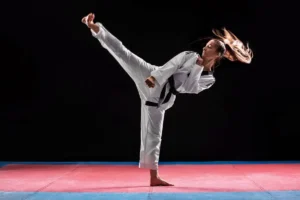
When people think about self-defense, they often imagine quick techniques to escape danger, like striking an attacker or using a personal alarm. While these are crucial elements of self-defense, there’s more to protecting yourself than just knowing a few moves. This is where martial arts training can provide a significant advantage, offering not only physical skills but also mental resilience, discipline, and confidence. In this blog, we’ll explore how martial arts can enhance your self-defense abilities in ways that go beyond basic techniques.

Learning self-defense isn’t just about physical protection; it also offers significant psychological benefits. Empowering yourself through self-defense training can enhance your mental health, boost your confidence, and improve your overall well-being. In this blog, we explore the psychological advantages of self-defense training and why it’s a valuable investment in yourself.
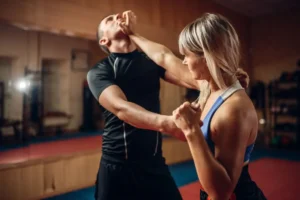
In an unpredictable world, knowing a few self-defense techniques can make all the difference in ensuring your safety. Here are five essential self-defense techniques that are simple to learn and effective in protecting yourself in various situations.
