

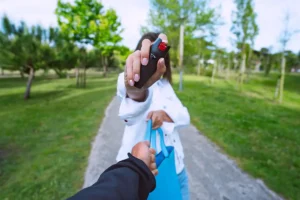
Top 5 Mistakes People Make When Carrying Pepper Spray (And How to Avoid Them)
Discover 5 common pepper spray mistakes and how to avoid them. Learn practical tips for carrying, maintaining, and using pepper spray safely.
Discover 5 common pepper spray mistakes and how to avoid them. Learn practical tips for carrying, maintaining, and using pepper spray safely.

When most people think about self-defense, they picture what happens after an attack begins: throwing a punch, escaping a grab, deploying pepper spray, or fighting back. At Mindful Defense, we believe effective self-defense starts much earlier.

Halloween should be about costumes, candy, friends, and fun. But it’s also a night when some of our normal routines

Most people don’t think of a parking lot as a place where they need to be especially alert. You leave the store, look for your car, check your phone, unlock the door, put your bags down, answer a text, pick a song, and eventually drive away. It all feels routine.

When most people think about carrying pepper spray, they think about protection from another person. But if you regularly walk, run, hike, or take your dog outside, another potential threat deserves consideration: animals.
Online self-defense training can help you develop some of the most important personal safety skills from anywhere and at your own pace. A quality online self-defense course can teach situational awareness, threat recognition, boundary setting, avoidance, decision-making, and practical strategies for responding to potentially dangerous situations.

Heading back to college means new classes, new friends, late-night study sessions, parties, rideshares, and more independence. It also makes personal safety and situational awareness especially important.

One of the biggest misconceptions about crime is that attacks are completely random. While some crimes are crimes of opportunity, many criminals make deliberate decisions about who they target. They observe, evaluate, and look for the easiest path to success.

One of the biggest misconceptions about self-defense is that it’s about fighting. It isn’t. Real self-defense is about making decisions that keep you safe. Sometimes that means escaping. Sometimes it means using your voice. In the rarest situations, it means defending yourself physically.

Growing older doesn’t mean becoming an easy target. In fact, one of the greatest strengths many seniors possess is experience. The key is learning how to combine that experience with practical safety habits that reduce risk before a confrontation ever occurs.
