

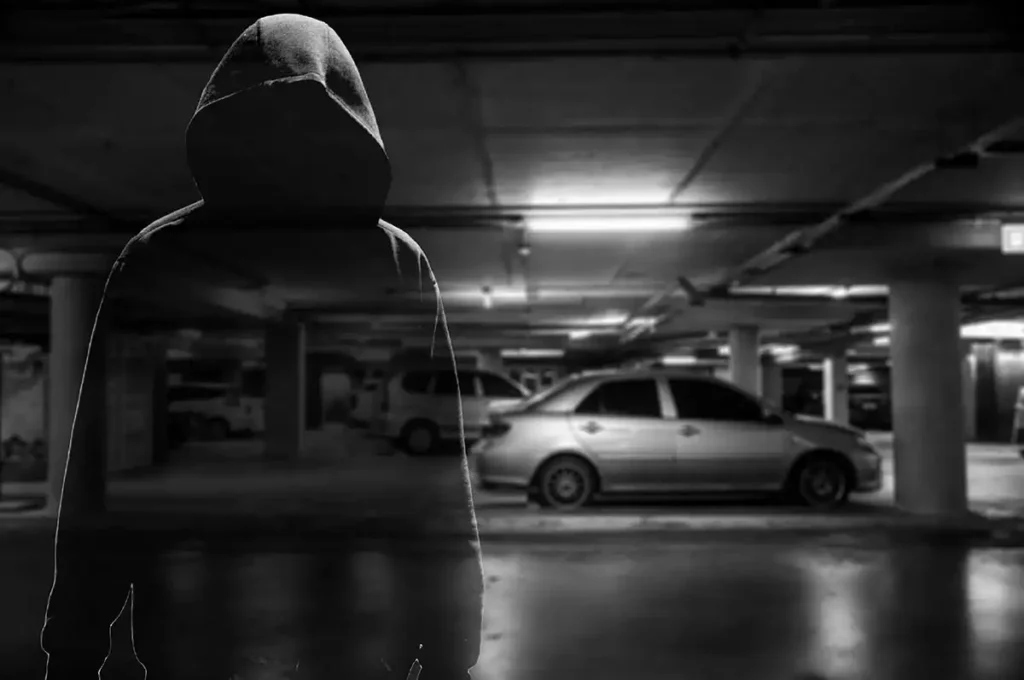
Parking Lots: Staying Safe in These Transitional Spaces
A lot of crimes take place in transitional spaces, parking lots being a prime example. Parking lots can be dangerous places.

A lot of crimes take place in transitional spaces, parking lots being a prime example. Parking lots can be dangerous places.
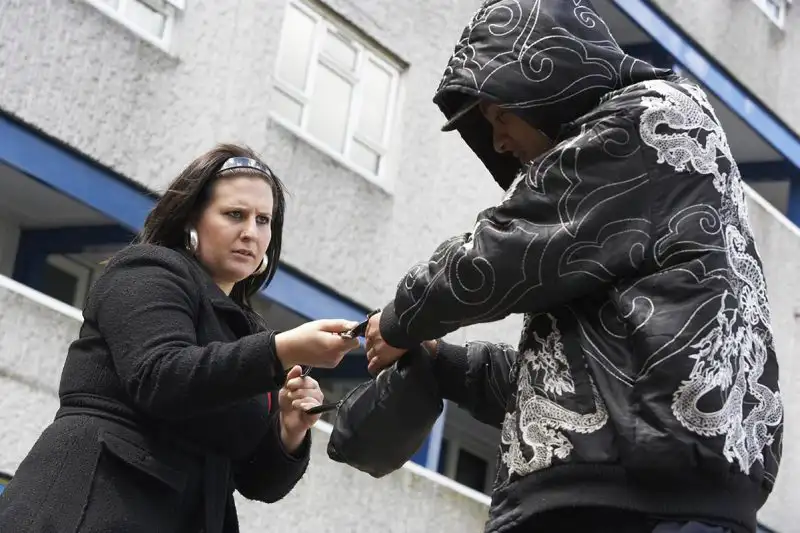
There are countless pre-attack indicators. The more you are able to recognize, the greater your chance of avoiding a physical confrontation. Multiple pre-attack indicators are usually present. Here are five pre-attack indicators you may not know.

A college campus can be a dangerous place. Campuses are a mix of people from all ends of the spectrum. Toss in some naiveté, impaired judgement and a cast of characters with bad intentions and you have the perfect storm for trouble.
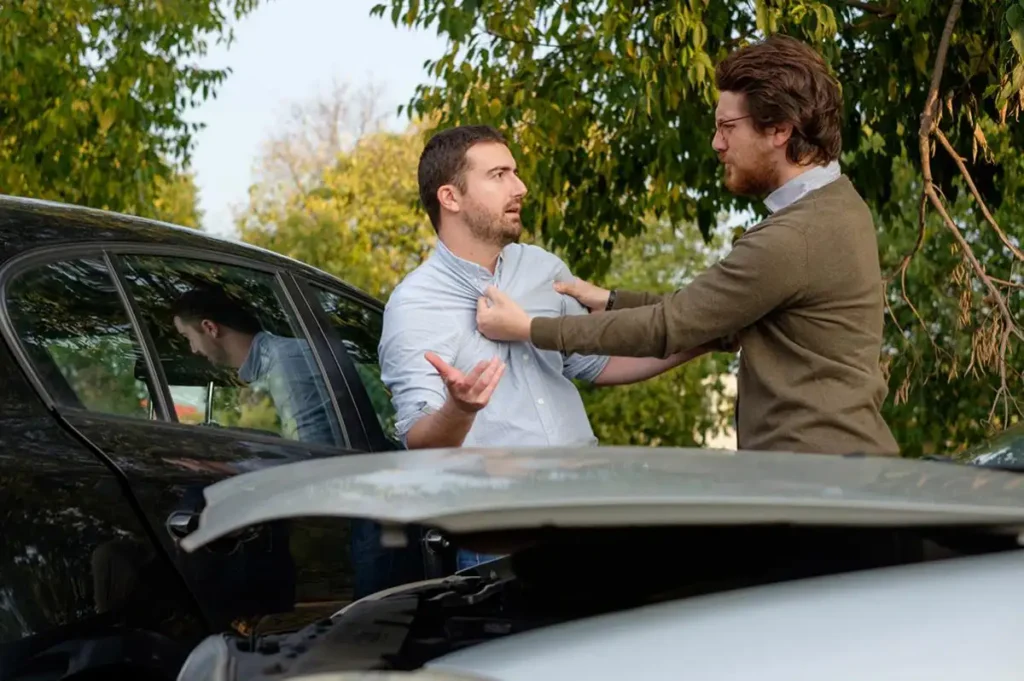
The news is full of cell phone videos of altercations, often extremely violent, taken by bystanders. What should you do if you witness an altercation? Unless a innocent person is in serious danger and you are capable of taking a calculated risk to help, your best option is more than likely to leave the area and call 911.

The nation has been riveted by the disappearance of Mollie Tibbetts, a college student from Iowa who mysteriously disappeared while jogging in a small, rural community. Cristhian Bahena Rivera, age 24, has been arrested on first-degree murder charges in connection with the case. Although it’s very early to determine what exactly happened, information is starting to trickle in via media reports. Were attack indicators present that could have been processed and acted upon to alter the outcome of this tragedy? Most likely there were multiple.
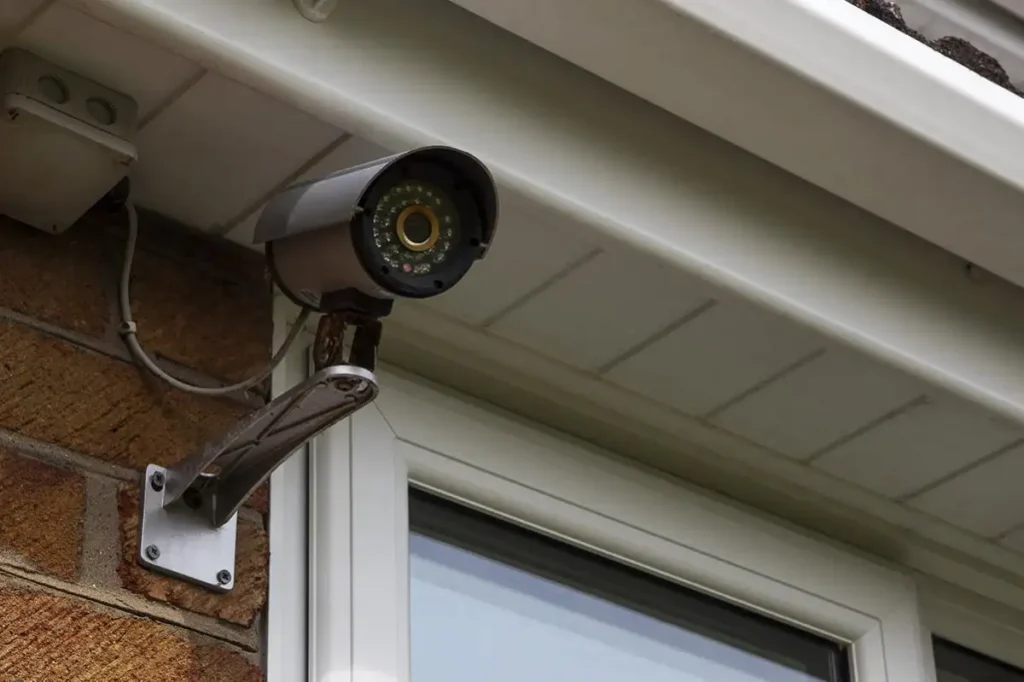
It is often said that the most important part of a home security system is the alarm company signage that is prominently displayed letting everyone know your home is being monitored. What may be even better than that? Home security cameras recording the sights and sounds of everything on or near your property. Few things will deter someone approaching your home with bad intent more than the sight of security cameras. Criminals know that modern home security cameras record video, instantly alert homeowners and provide clear images to law enforcement.

Walking trails are attractive to all walks of life. They provide a scenic path for joggers, dog walkers, cyclists and those just wanting to have a beautiful place to explore and enjoy. Walking trails are off the beaten path. They are often secluded, away from the hustle and bustle of city life. But are they safe? It is the same traits that make walking trails attractive that also make them dangerous.

When bad people decide to do bad things to good people, they interview them first. This is an interview you want to make sure you fail. Criminals are opportunistic. They adapt and act on a moment’s notice when an easy target presents itself. Criminals will “interview,” or run potential victims through a checklist to determine if they are easy prey. Here are some common things an aggressor will look for when deciding to take action.

Off-body carrying of a firearm is simply carrying your weapon in a manner that it is not attached to your body in a fixed, stable location. Off-body carry includes things like purses and stowing a gun under the seat of your car. Off-body carry has many drawbacks, many of which will render your firearm inaccessible in the dynamics of a lethal force confrontation. For the average citizen, off-body carry should be a last resort.

Calling for help seems like it would be one of the most basic, natural things one could do. You scream bloody murder and the cavalry comes running to your rescue, right? The truth of the matter is, there’s a good chance no one will hear you, and if they do, they won’t help you. Most people will not want to intervene in a violent situation, or may simply assume someone else will help.
