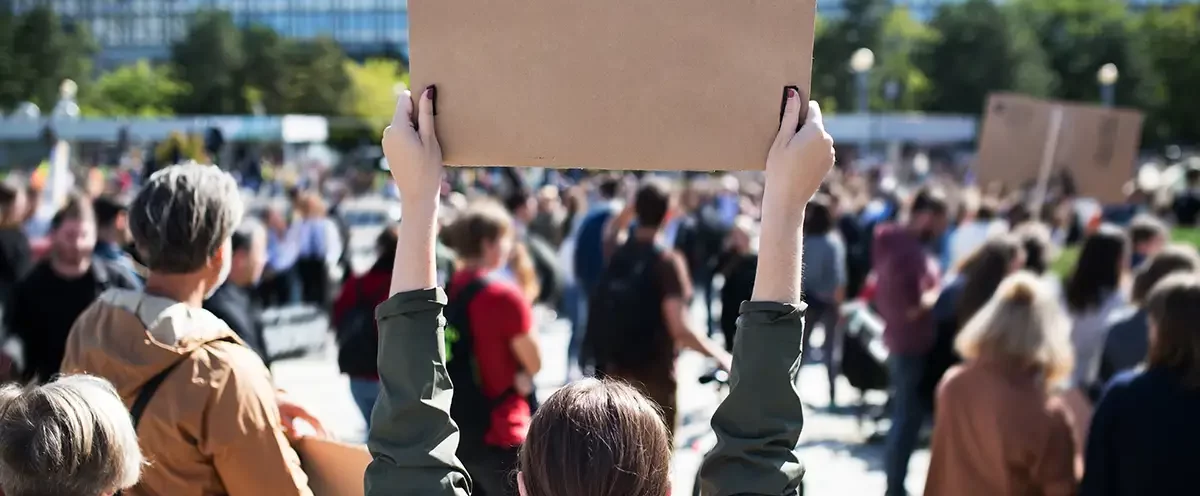
Protests are often framed as powerful expressions of free speech and civic engagement. While the intent behind many demonstrations may be peaceful, the reality on the ground can be far more unpredictable. From a personal safety and self-defense perspective, protests carry risks that many people underestimate—or don’t consider at all.
At Mindful Defense, our mission is not to judge beliefs or discourage lawful expression, but to help people make informed decisions about their personal safety. Understanding the potential dangers of protests is essential before choosing to participate.
1. Protests Are Inherently Unpredictable
Even well-organized, peaceful protests can change rapidly. A single incident—an argument, a thrown object, or the arrival of agitators—can escalate a calm gathering into chaos within minutes.
You do not control:
- The behavior of the crowd
- The presence of counter-protesters
- How law enforcement responds
- Who else shows up or what their intentions are
Crowd psychology can shift quickly, and once panic or aggression spreads, individuals lose the ability to safely disengage.
2. You Can Be Harmed Without Being Involved in Violence
One of the most dangerous misconceptions is that “if I stay peaceful, I’ll be safe.” Unfortunately, that’s not how crowd dynamics work.
In protest environments, people can be injured by:
- Stampedes or sudden crowd surges
- Falling or being knocked to the ground
- Being struck by thrown objects
- Chemical irritants such as tear gas or pepper spray
- Vehicles driving into crowds—intentionally or accidentally
In these situations, intent doesn’t matter. Being physically present is enough to be at risk.
3. Legal Consequences Are Often Overlooked
Another serious danger is legal exposure. Many people attend protests without realizing how easily they can be arrested—even if they believe they are following the law.
Common risks include:
- Being arrested due to curfews or unlawful assembly declarations
- Being detained because you are near others committing crimes
- Being misidentified in photos or videos
- Having your movements tracked via cell phone data or surveillance
Legal consequences can include arrest records, court costs, lost employment opportunities, and long-term stress—even if charges are eventually dropped.
4. Protests Attract Bad Actors
Protests often attract individuals who are not there to express ideas, but to create disorder. These may include:
- Individuals seeking confrontation
- Opportunistic criminals
- Extremists looking to provoke violence
- Looters using crowds as cover
When these actors appear, peaceful participants often become shields—unintentionally absorbing the consequences of actions they had no part in.
5. Law Enforcement Responses Can Be Forceful
Regardless of your stance, law enforcement is tasked with crowd control and public safety. When a protest is deemed dangerous or unlawful, their response may include:
- Physical crowd dispersal
- Less-lethal weapons
- Mass detentions
- Area lockdowns
Once authorities act, there is rarely time or space to calmly exit. People caught in the middle may experience injuries or legal trouble without warning.
6. Situational Awareness Is Extremely Limited
Self-defense relies heavily on awareness, mobility, and exit options. Protests severely limit all three.
In dense crowds:
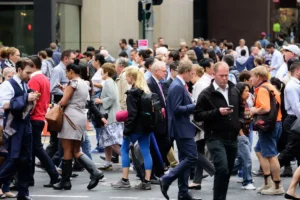
- You can’t see threats forming
- You can’t move freely
- You may not know where exits are
- Communication becomes difficult or impossible
From a personal safety standpoint, this is one of the worst environments to be in.
7. The Psychological Aftermath Is Real
Even if you avoid physical injury or arrest, protests can have lasting mental effects. Many people experience:
- Anxiety or panic
- Sleep disturbances
- Heightened stress
- Fear in large crowds afterward
These effects are rarely discussed, but they are very real—and they matter.
Making a Mindful Choice
Exercising your rights is a personal decision. But from a self-defense perspective, the safest protest is one you choose not to attend.
If you care about a cause, there are safer alternatives:
- Volunteering
- Donating
- Writing or speaking through controlled platforms
- Supporting community initiatives
- Engaging in lawful, structured civic processes
Mindful Defense is about choosing safety, awareness, and responsibility. True self-protection starts with understanding risk—and avoiding unnecessary danger whenever possible.
Your voice matters. So does your safety.
Choose both wisely.