Growing older doesn’t mean becoming an easy target.
In fact, one of the greatest strengths many seniors possess is experience. The key is learning how to combine that experience with practical safety habits that reduce risk before a confrontation ever occurs.
At Mindful Defense, we teach a simple philosophy:
100% of confrontations that are avoided can be won.
Self-defense isn’t about being stronger or faster. It’s about recognizing danger early, making good decisions, and having a plan.
Why Seniors Are Sometimes Targeted
Criminals are opportunists. They generally look for people they believe are distracted, isolated, or unlikely to resist.
That doesn’t mean seniors are helpless. It means understanding what criminals look for—and making yourself appear like a difficult target.
The best defense begins long before a physical encounter.
Situational Awareness Is Your Greatest Weapon
The most effective self-defense tool costs nothing.
It’s awareness.
Whenever you’re in public, make it a habit to:
- Keep your head up instead of looking at your phone.
- Notice who is around you.
- Identify exits and safe places.
- Trust your instincts if something feels wrong.
- Leave immediately if a situation doesn’t feel right.
Many dangerous situations can be avoided simply because someone recognized a problem early.
Confidence Can Deter Criminals
Body language matters.
Walk with purpose, maintain good posture, and make brief eye contact with people around you.
Criminals often prefer victims who appear distracted or uncertain.
Projecting confidence doesn’t guarantee safety, but it can encourage a criminal to look elsewhere.
Common Scams That Lead to Physical Crime
Many attacks begin with deception rather than force.
Be cautious of people who:
- Ask for help loading something into a vehicle.
- Claim they’ve damaged your car.
- Pretend to need emergency assistance.
- Pose as utility workers without identification.
- Ask you to come outside to inspect something.
Never feel obligated to help someone at the expense of your own safety.
It’s perfectly acceptable to keep your distance and call 911 if someone truly needs assistance.
Parking Lot Safety
Parking lots are one of the most common locations for opportunistic crimes.
Before walking to your vehicle:
- Have your keys ready.
- Scan the area.
- Avoid walking between large vans or trucks if possible.
- Look inside your vehicle before unlocking it.
- Lock the doors immediately after getting inside.
If something doesn’t feel right, return to the store or ask for an escort.
Home Safety
Most seniors spend more time at home than younger adults, making home security especially important.
Simple improvements include:
- Lock all doors and windows.
- Install quality exterior lighting.
- Use video doorbells or security cameras.
- Never open the door to unexpected visitors.
- Verify contractors or service personnel before allowing entry.
Remember:
You are never required to open your door simply because someone knocks.
Carry a Non-Lethal Self-Defense Tool
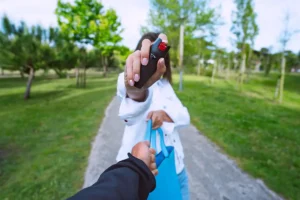
A quality pepper spray can provide valuable protection when used correctly.
Look for products that:
- Have a safety mechanism to prevent accidental discharge.
- Spray several feet away.
- Include a practice unit.
- Are legal in your state.
Carrying pepper spray should be paired with training so you understand when—and when not—to use it.
The goal is always to create an opportunity to escape, not to stay and fight.
Learn Verbal Boundary Setting
Many confrontations can be stopped before they become physical.
Practice using a strong, confident voice.
Simple phrases include:
- “Stop right there.”
- “I can’t help you.”
- “Please stay back.”
- “I’m calling 911.”
Speaking loudly also attracts attention, which criminals generally want to avoid.
Don’t Ignore Your Intuition
One of the biggest mistakes people make is talking themselves out of their instincts.
If someone or something feels wrong, you don’t need proof.
You only need a reason to leave.
Trusting your intuition has prevented countless crimes.
Build a Personal Safety Plan
Think through common situations before they happen.
Ask yourself:
- What would I do if someone followed me to my car?
- What if someone knocked on my door unexpectedly?
- Where are the safe places I can go while shopping?
- Who would I call during an emergency?
Having a plan reduces hesitation during stressful situations.
Physical Fitness Still Matters
You don’t need to become a martial artist.
Improving balance, mobility, and strength can significantly increase your ability to move away from danger.
Even regular walking, stretching, or light resistance exercises can improve confidence and independence.
Self-Defense Is More Than Fighting
Movies often portray self-defense as punches and kicks.
Real self-defense is much broader.
It includes:
- Awareness
- Prevention
- Decision-making
- Boundary setting
- Escape
- Emergency planning
- Non-lethal defensive tools
- Physical techniques as a last resort
The objective is always to get home safely.
Final Thoughts
Age should never determine your confidence.
Every person deserves to feel safe while shopping, traveling, walking through a parking lot, or answering the front door.
The best self-defense strategy isn’t winning a fight.
It’s recognizing danger early, making smart decisions, and avoiding violence whenever possible.
At Mindful Defense, we believe everyone can improve their personal safety through education, preparation, and awareness.
Because the safest confrontation is the one that never happens.
Key Takeaways
- Awareness is your most effective self-defense tool.
- Trust your instincts and leave situations that feel wrong.
- Project confidence through posture and body language.
- Practice verbal boundary setting.
- Improve home and parking lot safety habits.
- Carry and train with legal non-lethal self-defense tools if appropriate.
- Develop a personal safety plan before you need one.
- Remember that avoiding danger is always the ultimate goal.
Be S.A.F.E. — Strong. Aware. Focused. Empowered.