

Pepper Spray Laws by State
2026 Guide & Interactive Map
Hover over a state to view to the specifics about the pepper spays laws in any given state.
- Legal - No Restrictions
- Legal - With Restrictions
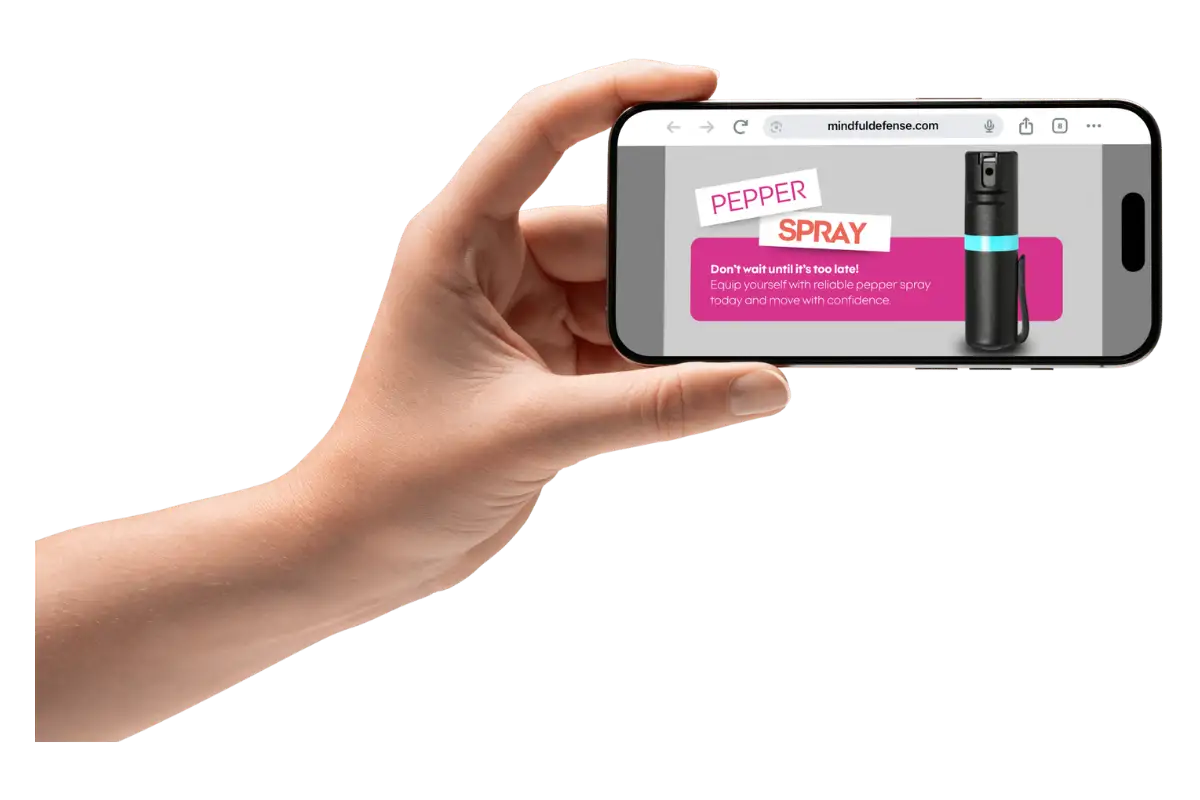
Download the Pocket Guide
Pepper Spray Laws by State
Stay informed and protect yourself with confidence. The Mindful Defense Pepper Spray Laws by State Pocket Guide is a simple, easy-to-reference PDF that breaks down pepper spray laws across all 50 states. Whether you’re traveling or just want to be sure you’re carrying legally, this guide gives you clear, up-to-date information in one convenient place.
Download your copy and make sure you’re always prepared, protected, and within the law.
2026 State Pepper Spray Laws Guide
| State | Status | Key restrictions / size limits | Primary authority |
|---|---|---|---|
| Alabama | Legal | 18+; self-defense only; no statewide size cap identified. | Ala. Code § 13A-6-27 |
| Alaska | Legal with restrictions | Sale to under-18 prohibited; school-site possession rules apply; no statewide size cap identified. | Alaska Stat. § 11.61.210; AS 11.81.900(a)(18) |
| Arizona | Legal | Generally legal for self-defense; no statewide size cap identified. | A.R.S. § 13-3101.7 |
| Arkansas | Legal with restrictions | 18+; self-defense only; container may not exceed 300 mL (~10.1 oz). | Ark. Code § 5-73-124 |
| California | Legal with restrictions | 18+; not for felons/narcotics addicts; aerosol container max 2.5 oz net weight; labeling/warnings required. | Cal. Penal Code § 22810 |
| Colorado | Legal | Self-defense only; no statewide size cap identified. | General self-defense law; no pepper-spray-specific cap identified |
| Connecticut | Legal | Self-defense only; no statewide size cap identified. | Conn. Gen. Stat. § 53a-19 |
| Delaware | Legal | Defensive sprays allowed; no statewide size cap identified. | 11 Del. C. § 222(7) |
| District of Columbia | Legal with restrictions | 18+, or 14+ with parent/guardian consent; aerosol only; labeling/expiration instructions required. | D.C. Code § 7-2502.13 |
| Florida | Legal with restrictions | Compact self-defense spray only; maximum 2 oz. | Fla. Stat. § 790.001; § 790.054 |
| Georgia | Legal | Self-defense only; school safety zones and school functions may prohibit carry; no statewide size cap identified. | O.C.G.A. § 16-11-127.1 |
| Hawaii | Legal with local restrictions | Statewide self-defense use allowed; Honolulu requires sales licensing, bars sales to minors, and commonly limits units to 2 oz. | HRS § 703-304; Honolulu Code § 41-27.3 |
| Idaho | Legal | No statewide size cap identified. | Idaho Code § 18-3302 |
| Illinois | Legal | 18+; misuse prohibited; no statewide size cap identified. | 720 ILCS 5/24-1(a)(3)(C) |
| Indiana | Legal | No statewide size cap identified. | Ind. Code Title 35, Ch. 47 |
| Iowa | Legal | No statewide size cap identified. | Iowa Code § 702.7; Ch. 704 |
| Kansas | Legal | No statewide size cap identified. | K.S.A. § 21-5422 |
| Kentucky | Legal | No statewide size cap identified. | KRS § 527.010 |
| Louisiana | Legal | Reasonable-force/self-defense standard; no statewide size cap identified. | La. R.S. § 14:22 |
| Maine | Legal | Defensive use permitted; no statewide size cap identified. | 17 M.R.S. § 1002 |
| Maryland | Legal | Carry generally allowed as a reasonable precaution against apprehended danger; no statewide size cap identified. | Md. Code, Crim. Law § 4-101 |
| Massachusetts | Legal with restrictions | 18+; sales limited to licensed firearms dealers; under 18 needs a self-defense spray permit; no statewide size cap identified. | M.G.L. c.140 §§ 122C-122D |
| Michigan | Legal with restrictions | 18+; qualifying self-defense devices include up to 35 g CN/CS or up to 18% OC; misuse prohibited. | MCL § 750.224d |
| Minnesota | Legal with restrictions | Use only in reasonable defense; under 16 needs written parent/guardian permission; product must be aerosol-propelled and labeled/instructed/dated. | Minn. Stat. § 624.731 |
| Mississippi | Legal | No statewide size cap identified. | Miss. Code § 97-37-1 |
| Missouri | Legal | No statewide size cap identified. | Mo. Rev. Stat. § 563.031 |
| Montana | Legal | No statewide size cap identified. | Mont. Code § 45-8-322 |
| Nebraska | Legal | No statewide size cap identified. | Neb. Rev. Stat. § 28-1409 |
| Nevada | Legal with restrictions | Aerosol self-defense sprays addressed in statute may not exceed 2 fl oz (~59 mL). | NRS § 202.370 |
| New Hampshire | Legal | No statewide size cap identified. | RSA § 159:20; § 159:23 |
| New Jersey | Legal with restrictions | 18+ without disqualifying convictions; only one container up to 0.75 oz (21 mL). | N.J.S.A. § 2C:39-6i |
| New Mexico | Legal | No statewide size cap identified. | N.M. Stat. §§ 30-1-12, 30-7-2 |
| New York | Legal with significant restrictions | 18+; generally sold only by licensed firearms dealers, pharmacists, or other approved vendors; no more than two units at once; labeling/inserts required. Commonly summarized product rules include a 0.75 oz size limit and 0.7% MC cap. | N.Y. Penal Law § 265.20(14)-(15); § 270.05; 10 NYCRR Part 54 |
| North Carolina | Legal with restrictions | 18+ and not a felon; spray containers up to 150 cc (~5 oz); cartridges up to 50 cc. | N.C. Gen. Stat. § 14-401.6 |
| North Dakota | Legal | No statewide size cap identified. | No pepper-spray-specific cap identified |
| Ohio | Legal | No statewide size cap identified. | No pepper-spray-specific cap identified |
| Oklahoma | Legal | No statewide size cap identified. | No pepper-spray-specific cap identified |
| Oregon | Legal | No statewide size cap identified. | ORS §§ 163.212-213 |
| Pennsylvania | Legal | Excluded from weapon definition when used lawfully for self-defense; no statewide size cap identified. | 18 Pa.C.S. § 908.1 |
| Rhode Island | Legal | 18+; no statewide size cap identified. | R.I. Gen. Laws § 11-47-57 |
| South Carolina | Legal with restrictions | 18+; container must not exceed 50 cc (~1.7 oz). | S.C. Code § 16-23-470 |
| South Dakota | Legal | Self-defense only; school restrictions may apply; no statewide size cap identified. | SDCL § 13-39A-43; § 22-18-4.8 |
| Tennessee | Legal | No statewide size cap identified. | T.C.A. § 39-17-1309 |
| Texas | Legal | Small chemical dispensers for personal protection are generally allowed; no statewide size cap identified. | Tex. Penal Code §§ 46.03, 46.05 |
| Utah | Legal | No statewide size cap identified. | Utah Code § 76-2-402 |
| Vermont | Legal | No statewide size cap identified. | No pepper-spray-specific cap identified |
| Virginia | Legal | No statewide size cap identified. | Va. Code § 18.2-312 |
| Washington | Legal with restrictions | 18+, or 14-17 with parental consent; no statewide size cap identified. | RCW § 9.91.160 |
| West Virginia | Legal with limited location rules | General statewide carry allowed; some public-facility rules apply; Capitol Complex limits canisters over 1 oz. | W. Va. Code § 61-7-2 |
| Wisconsin | Legal with restrictions | 18+; OC or CS gel products only; 10% OC cap remains in administrative rules commonly cited for compliant consumer units. | Wis. Stat. § 941.26; 2013 Wis. Act 77; Wis. Admin. Code JUS 14.12 |
| Wyoming | Legal | No statewide size cap identified. | No pepper-spray-specific cap identified |
Frequently Asked Questions (FAQs)
General Legality Questions
Is pepper spray legal in all 50 states?
Yes, pepper spray is legal for self-defense use in all 50 states. However, each state has different laws regarding size limits, purchase requirements, and where it can be carried.
Do you need a permit to carry pepper spray?
In most states, you do not need a permit to carry pepper spray for personal protection. Some states may restrict how it is purchased or who can carry it.
What states have restrictions on pepper spray?
Several states have restrictions, including California, New York, Massachusetts, Michigan, Florida, Wisconsin, and New Jersey. These restrictions may involve canister size, sales regulations, or strength limits.
Can you carry pepper spray for self-defense legally?
Yes, pepper spray is widely recognized as a legal self-defense tool. It must be carried and used only for lawful personal protection purposes.
State-Specific Search Questions
How do pepper spray laws vary by state?
Pepper spray laws vary by state in terms of:
- maximum container size
- minimum age requirements
- where it can be carried
- how it must be purchased
Some states have minimal restrictions, while others impose strict limits.
Which states have the strictest pepper spray laws?
States like New York, New Jersey, and Massachusetts tend to have stricter regulations, including purchase restrictions and smaller allowable sizes.
Which states have no restrictions on pepper spray?
States such as Texas, Arizona, and Georgia generally have minimal restrictions, allowing standard pepper spray for self-defense without permits.
Size, Strength, & Product Questions
What is the legal size limit for pepper spray?
Some states limit the size of pepper spray canisters. Examples include:
- California: up to 2.5 ounces
- New Jersey: up to 0.75 ounces
- Florida: up to 2 ounces
Other states do not specify a size limit.
Is there a strength limit for pepper spray?
Yes, some states regulate the strength or formulation. For example, Wisconsin restricts pepper spray to a certain concentration and requires it to be labeled for self-defense use.
What type of pepper spray is legal?
Most states allow standard OC (oleoresin capsicum) pepper spray designed for personal defense. Devices disguised as other objects or containing tear gas may be restricted in certain states.
Purchase & Ownership Questions
Can you buy pepper spray online legally?
In most states, pepper spray can be purchased online. However, states like New York and Massachusetts require purchases through licensed dealers.
Do you need to register pepper spray?
No, pepper spray does not need to be registered in any state. It is considered a consumer self-defense product rather than a firearm.
Is there an age requirement to carry pepper spray?
Most states require individuals to be at least 18 years old. Some states may allow minors to carry pepper spray with parental permission.
Carry & Use Questions
Where is pepper spray illegal to carry?
Even in states where pepper spray is legal, it may be prohibited in certain locations, such as:
- airports (carry-on luggage)
- federal buildings
- courthouses
- schools in some states
Can you carry pepper spray on an airplane?
Pepper spray is not allowed in carry-on bags. In some cases, one small container may be allowed in checked baggage if it meets TSA regulations.
Can you carry pepper spray across state lines?
Yes, but you must follow the laws of the state you are entering. Restrictions may differ significantly between states.
Can felons carry pepper spray?
In many states, felons can legally carry pepper spray. However, some states may impose restrictions depending on criminal history.
Legal Use Questions
When can you legally use pepper spray?
Pepper spray can be used when you reasonably believe you are in danger of being harmed. It must be used strictly for self-defense.
Is using pepper spray considered assault?
Improper use of pepper spray can be considered assault. Using it outside of self-defense situations may result in criminal charges.
Can you go to jail for using pepper spray?
Yes, if pepper spray is used unlawfully or aggressively rather than defensively, it may lead to criminal charges.
Comparison & Practical Questions
Is pepper spray better than a taser for self-defense?
Pepper spray is often easier to carry, legal in more places, and does not require direct contact. Tasers may be more restricted depending on the state.
What is the best pepper spray for legal carry?
The best option is a standard, clearly labeled self-defense spray that complies with your state’s size and strength limits.
How effective is pepper spray for self-defense?
Pepper spray is highly effective at temporarily disabling an attacker by causing intense eye closure, burning, and disorientation.
Safety & Responsibility Questions
Can pepper spray expire?
Yes, pepper spray typically expires after 3–4 years. Expired spray may lose pressure or effectiveness.
Do you need training to use pepper spray?
Training is not required by law, but learning proper use greatly improves effectiveness and safety.
How should you carry pepper spray safely?
Pepper spray should be easily accessible, secured to prevent accidental discharge, and stored according to manufacturer guidelines.
Purchase Pepper Spray
-
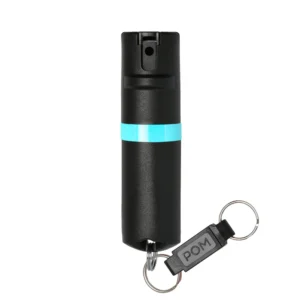 Quick ViewAdd to cart
POM Pepper Spray – Key Model
$14.95 -
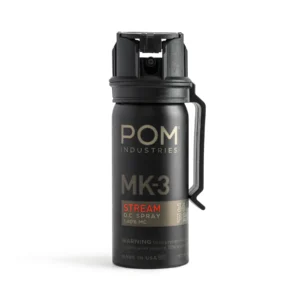 Quick ViewAdd to cart
POM Pepper Spray – MK3 Model
$16.95 -
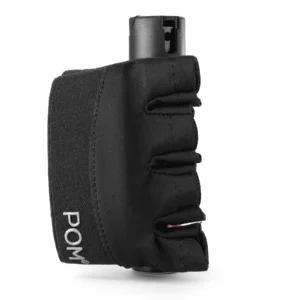 Quick ViewSelect options
 -
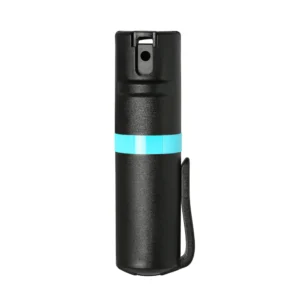 Quick ViewAdd to cart
