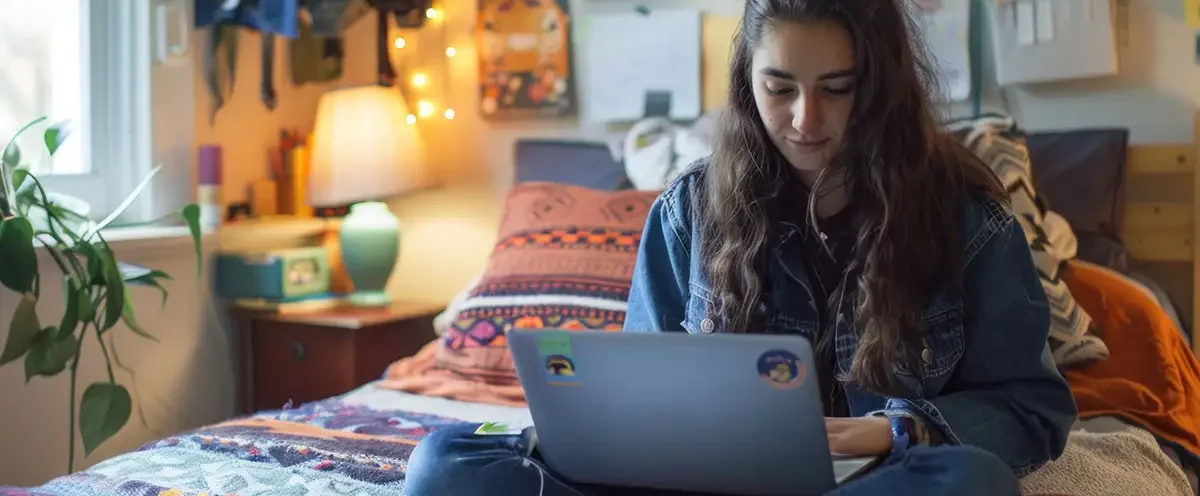
Living in a college dorm is an exciting part of the college experience. It’s often the first time students live away from home, meet new people, and manage their own space. Dorms are generally safe environments, but because they house many people with constant visitors, it’s important to develop habits that protect both your personal safety and your belongings.
At Mindful Defense, we believe that awareness and simple precautions go a long way toward preventing problems. Here are five of the best things you can do to stay safe in a college dorm.
1. Always Lock Your Door
It sounds simple, but many dorm thefts and safety incidents happen because doors are left unlocked.
Make it a habit to lock your door:
- When you leave your room, even for a short time
- When you go to sleep
- When your roommate isn’t present
Dorm buildings can have hundreds of residents and frequent guests. Locking your door is one of the easiest and most effective ways to prevent unwanted access.
2. Be Careful About Who You Let Into the Building
Many dorms require key cards or codes for entry, but people often “tailgate” behind residents to get inside.
While it may feel awkward, it’s okay to:
- Politely decline holding the door for strangers
- Ask someone if they live in the building
- Encourage guests to use the proper entrance procedures
These policies exist to protect everyone living in the building.
3. Know Your Emergency Procedures
In any shared living environment, knowing what to do during an emergency is critical.
Take a few minutes early in the semester to learn:
- Where the nearest exits are
- Where fire alarms and extinguishers are located
- Your building’s evacuation routes
- The contact information for campus security
If something happens, preparation can help you respond quickly and stay calm.
4. Protect Your Personal Belongings
Dorms are busy environments with many people moving through common areas, rooms, and hallways.
To reduce the risk of theft:
- Keep valuables out of sight
- Avoid leaving electronics unattended in common areas
- Secure important items when guests are visiting
- Consider small lockboxes for valuables like passports or extra cash
Most thefts in dorms are crimes of opportunity. Reducing temptation helps protect your belongings.
5. Trust Your Instincts and Speak Up
Your intuition is an important safety tool. If a situation or person makes you uncomfortable, it’s okay to act on that feeling.
You can:
- Leave the area
- Contact a resident assistant (RA)
- Report suspicious behavior to campus security
- Ask a friend or roommate for support
Dorm communities are strongest when residents look out for each other.
Final Thoughts
College dorms are designed to be safe living spaces, but personal awareness and responsibility still play an important role.
By following a few simple habits, you can significantly improve your safety:
- Lock your door
- Follow building access rules
- Learn emergency procedures
- Protect your belongings
- Trust your instincts
At Mindful Defense, we believe safety begins with awareness, preparation, and confidence. Small decisions today can help prevent problems tomorrow and allow you to focus on enjoying your college experience.
Your safety starts with mindful habits.