Introduction
In an era of advancing technology and increasing concerns about home security, investing in a reliable and effective home security camera system has become a top priority for many homeowners. However, with the myriad of options available in the market, selecting the right system can be a daunting task. To help you make an informed decision, we have compiled a list of essential factors to consider when purchasing a home security camera system.
1. Purpose and Coverage
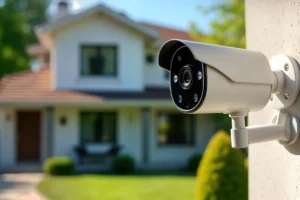
Before buying a security camera system, determine the purpose and the areas you want to cover. Assess your security needs, whether you require outdoor surveillance, indoor monitoring, or both. Consider the vulnerable spots around your property and ensure the camera system you choose can adequately cover those areas.
2. Resolution and Video Quality
Opt for cameras that offer high-resolution video quality, preferably 1080p or higher. Good image quality is crucial for clear identification of individuals and capturing important details. High-definition cameras will ensure that you can closely monitor your property and have valuable evidence if an incident occurs.
3. Night Vision Capabilities
Check for cameras equipped with infrared (IR) or low-light capabilities. Effective night vision is essential for round-the-clock monitoring, enabling you to detect any suspicious activity in poorly lit conditions. Look for cameras with a sufficient night vision range for your specific requirements.
4. Connectivity and Remote Access
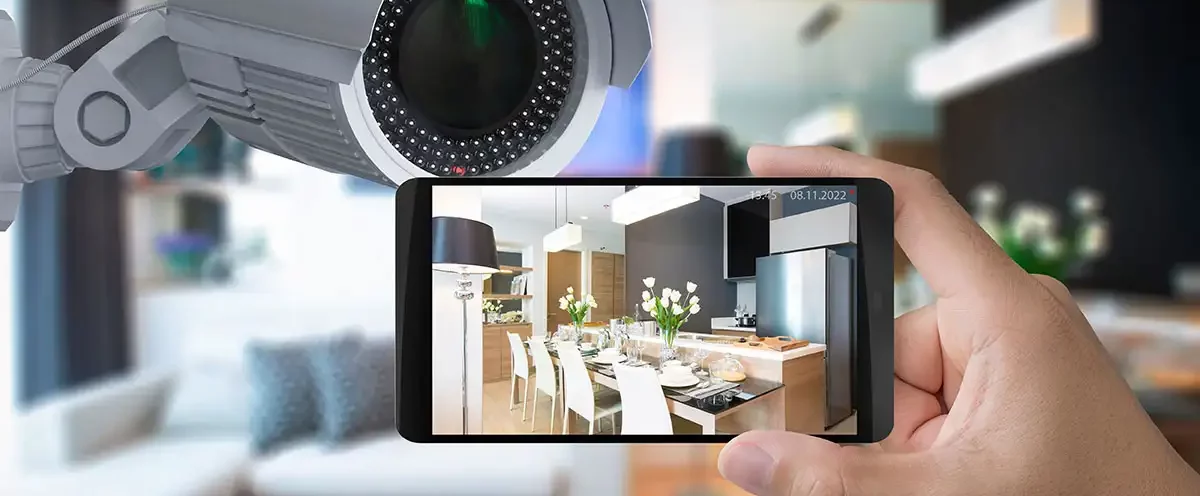
Consider the connectivity options and accessibility features offered by the camera system. Opt for systems that support both wired and wireless connections, providing flexibility in installation. Remote access via mobile apps or web interfaces allows you to monitor your property from anywhere, providing peace of mind when you are away.
5. Storage and Data Management
Evaluate the storage options provided by the security camera system. Many systems offer cloud-based storage, allowing you to store video footage securely online. Alternatively, some systems offer local storage through SD cards or network-attached storage (NAS) devices. Choose a system that offers adequate storage capacity based on your recording needs.
6. Motion Detection and Alerts
Look for cameras with advanced motion detection technology. This feature ensures that the camera only records when it detects motion, minimizing unnecessary footage and conserving storage space. Additionally, check if the system can send real-time alerts to your smartphone or email, allowing you to promptly respond to any potential threats or suspicious activities.
7. Weather Resistance and Durability
If you require outdoor surveillance, prioritize cameras with robust weather-resistant and vandal-proof construction. Ensure that the cameras are built to withstand various weather conditions such as rain, heat, and cold temperatures. Choose systems that are durable and designed for long-term use.
8. Scalability and Expandability
Consider the scalability and expandability options of the camera system. Determine whether the system can accommodate additional cameras in the future if needed. This allows you to adapt and expand your security setup as your needs evolve.
Conclusion
Investing in a reliable home security camera system is a crucial step towards ensuring the safety and protection of your property. By considering factors such as purpose, coverage, resolution, night vision capabilities, connectivity, storage, motion detection, durability, and scalability, you can make an informed decision and select a system that meets your specific requirements. Remember, a well-chosen security camera system provides you with peace of mind and enhances the overall security of your home.